
Survey results from the first 6-7 months of community economic enterprises: Supplementary income has started coming in, but it is still supplementary, not the main income
A survey in May 2026 of economic enterprises in 3 provinces found that income from new activities still made up a much smaller share than income from fishing, but helped increase savings and bring some younger people back to their communities.
Translated from Thai · reviewed by the CF team
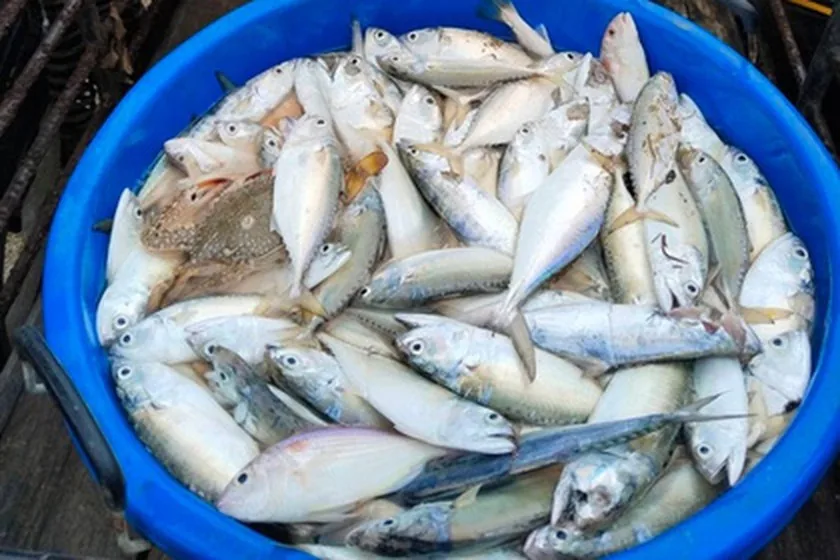
In May 2026, TSWA surveyed community economic enterprises in Satun, Nakhon Si Thammarat and Songkhla, around 6-7 months after they began their activities. It found that average monthly income from the new activities still accounted for a small share compared with fishing income. For example, the seafood processing group in Satun earned an average of 7,571 baht per month from fishing, compared with just 2,833 baht from its new activities. The fishing gear cooperative group in Nakhon Si Thammarat earned just 300 baht per month from its new activities (calculated based on the time committee members contributed to central operations, rather than direct sales income), compared with 24,900 baht from fishing. The community tourism group in Songkhla earned the highest supplementary income, at 21,000 baht per month, but could only operate from April to October.
Although the income figures are still modest, qualitative outcomes point in a positive direction. The processing group in Satun reported an improved quality of life because members could access fresh seafood free of chemical contaminants at lower prices. The fishing gear cooperative group in Nakhon Si Thammarat helped 50 households save a total of 12,500 baht on fishing gear from October 2025 to May 2026, while also creating new local job opportunities. The tourism group in Songkhla reported that supplementary income helped increase household savings and encouraged more young people to return to work in the community.