
Ao Thong: Three communities—Sa Bua, Nai Thung and Na Thap—join forces to restore Thasala Bay
After resource degradation reached crisis levels in 1997–1998, three communities in Thasala District, Nakhon Si Thammarat Province, came together to establish the “Ao Thong” conservation area before advancing to a shared LMMA under a single MOU in the project’s first year.
Translated from Thai · reviewed by the CF team
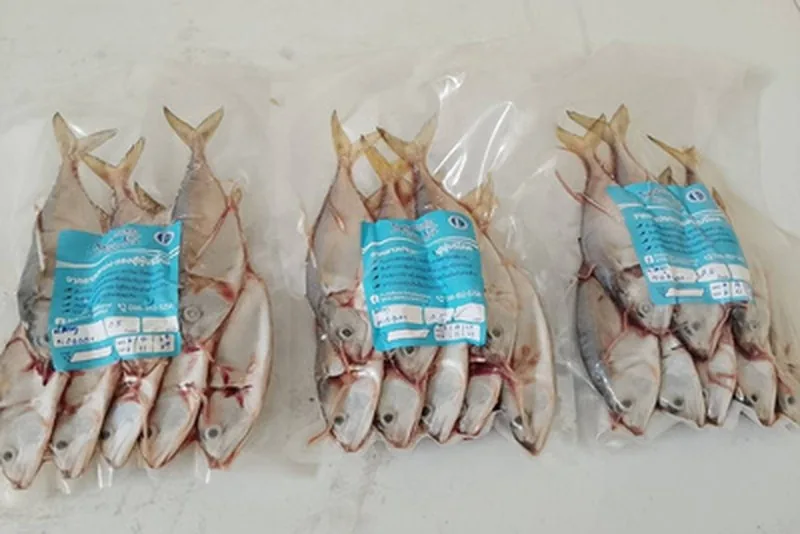
Between 1997 and 1998, the coastal waters of Thasala Bay were severely degraded by illegal and destructive fishing. Resources declined rapidly, fishers’ incomes fell, debt increased, and many young people had to move to cities to find work. Fishers from Ban Nai Thung, Ban Na Thap and Ban Sa Bua therefore joined forces to reclaim their resources and established the “Ao Thong” conservation area, based on a shared commitment to protect and restore marine ecosystems.
Under the Sea Guardians project, the three communities developed a systematic process, from assessing resources, mapping boundaries and jointly collecting ecological and resource-use data, to establishing shared community rules, such as no-catch zones, seasonal fishing closures and monitoring procedures. They then strengthened their collaboration by signing a single memorandum of understanding (MOU) covering all three communities, under the “One Area - Co-management” model. This was one of the project’s three notable forms of collaboration in its first year.
Initial monitoring data covering more than 600 rai found that species diversity increased from 21 species in the first survey (Q2 2025) to 31 species in the next follow-up (Q3 2025). Further data collection over several more rounds is still needed before any conclusions can be drawn about the actual recovery trend.