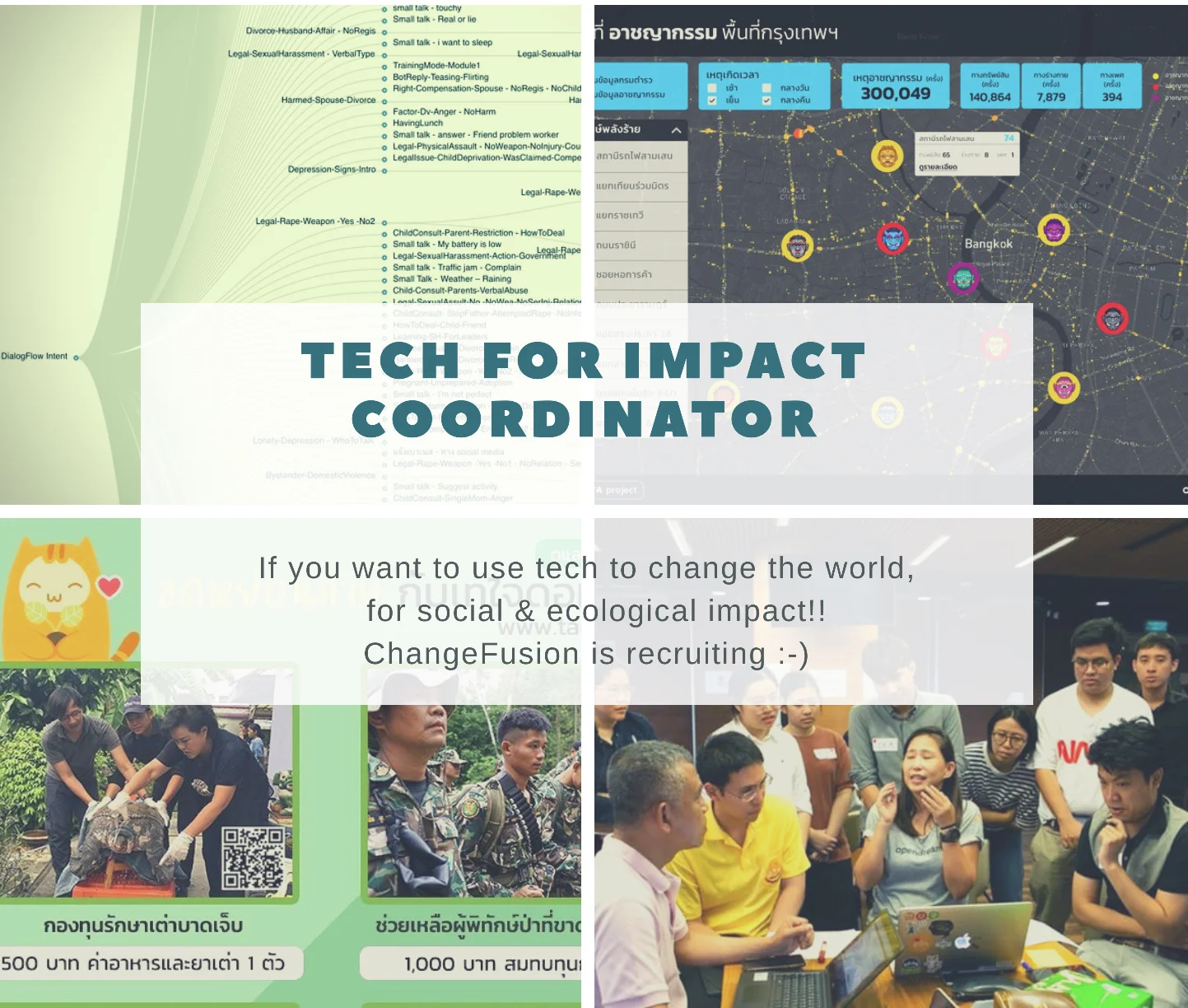
Recruiting: Tech for Impact Coordinator!
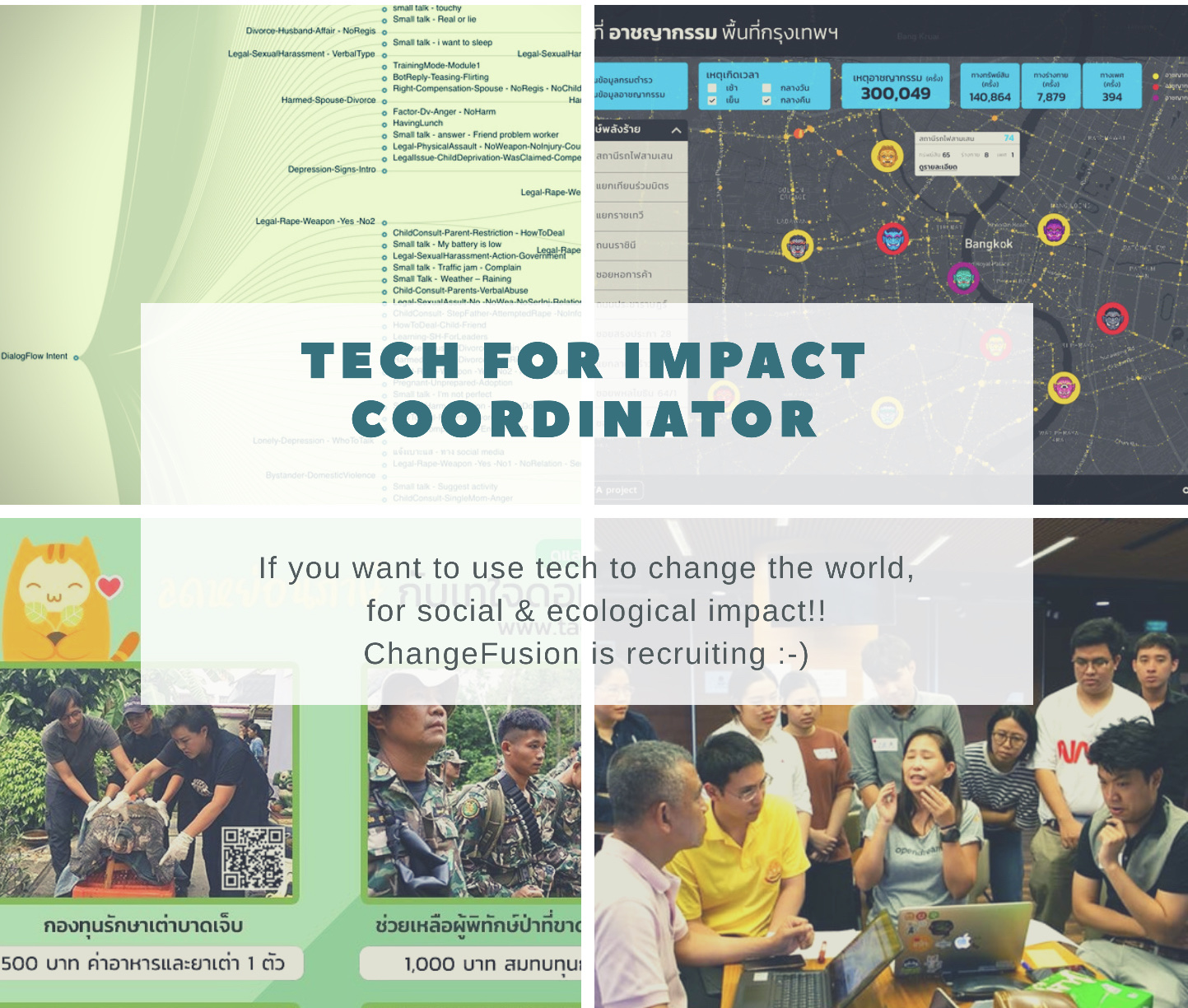
#TechforImpact If you want to use tech to change the world, for social & ecological impact!! ChangeFusion is looking for a new team member “Tech for Impact Coordinator”
ถ้าคุณอยากเปลี่ยนโลกด้วยเทคโนโลยี เพื่อแก้ปัญหาสังคมและสิ่งแวดล้อม เรากำลังหาทีมงานคนใหม่ในตำแหน่ง Tech for Impact Coordinator ลองดูรายละเอียดและติดต่อเรามาได้ที่ info@changefusion.org
If you are passionate and capable in using digital tech to solve social and environmental problems, from violence against women to OpenData to fight corruption, civic tech solution for Fakenews/disinformation problem, all the way to data/AI/blockchain for climate and social impact.
Roles
- Thai nationality with 2-5 years experience in social impact projects, especially with technology aspects.
- Plan, manage, and coordinate digital innovation projects for social and environmental impact.
- Work with experts and resource persons on project planning and design.
- Work with partnering innovators and social entrepreneurs on project execution.
- Work with funders and supporters on project governance, monitoring, evaluation, and report.
Requirements
- Language: Fluent in Thai and English. Ability to write reports and make presentations.
- Digital literacy: Familiar with social media and basic online tools. Ability and attitude to learn more advanced digital tools such as chatbot, website development, and basic programming.
- Social literacy: Interest and attitude to learn about current social issues and challenges.
- Belief in partnership: ChangeFusion works with partners in various fields to co-create solutions, therefore, the position require the collaborative mind-set in order to facilitate works with many partners.
Send us your resume/CV at info@changefusion.org to discuss more!
Learn more about our work on Tech for Impact

กฎหมายกับการเปิดเผยข้อมูล Open Data เพื่อประโยชน์สาธารณะ

การผลักดันเพื่อพัฒนาข้อมูลเปิด หรือ Open Data ในประเทศไทย เป็นก้าวสำคัญของการขับเคลื่อนสังคมให้เข้าสู่ยุคของความโปร่งใสและการใช้ข้อมูลเพื่อประโยชน์สาธารณะ อย่างไรก็ตามการเปิดเผยข้อมูล Open Data มีข้อพิจารณาตามหลักสากลและหลักกฎหมายที่สำคัญอยู่หลายประการ โดยเฉพาะเรื่องความสมดุลระหว่างประโยชน์สาธารณะกับการคุ้มครองสิทธิส่วนบุคคล ที่ยังมีความสับสนอยู่มาก ทั้งในเชิงข้อกฎหมายและแนวทางปฏิบัติ
ChangeFusion ร่วมกับสถาบันเพื่อการยุติธรรมแห่งประเทศไทย (TIJ) และภาคีหลายส่วนเช่น Hand SE ได้ร่วมกันจัดเสวนา Open Data Governance and Legality เมื่อวันศุกร์ที่ 13 กันยายน 2562 เพื่อ การเสวนานี้เป็นส่วนหนึ่งของ Roundtable for Technology and Justice Series ภายใต้โครงการ Project j : jX Justice Experiment
ประเด็นสำคัญในการเสวนา มีดังนี้
ภาพรวม Open Data
โดยคุณสุนิตย์ เชรษฐา สถาบัน ChangeFusion
Open data คือข้อมูลเปิดที่เปิดให้ทุกคนเข้าถึงได้ มุ่งเน้นการเข้าถึงและใช้งานเพื่อประโยชน์สาธารณะ และเกี่ยวข้องกับแนวคิด Open government หรือ “รัฐเปิด” ที่รัฐบาลเปิดเผยข้อมูลให้ประชาชนสามารถเข้าถึงได้เพื่อประโยชน์ในการตรวจสอบ พัฒนาคุณภาพการดำเนินงานของรัฐ และสร้างสรรค์ทางออกต่อปัญหาต่างๆ ด้วยการใช้ข้อมูลเป็นพื้นฐาน เช่นการใช้เทคโนโลยี AI, machine learning เป็นต้น
Open data ทำให้ข้อมูลชุดต่าง เชื่อมโยงกันได้ ทำให้เกิดความเข้าใจ (Insight) ใหม่ๆ เช่น ทำให้เห็นความเสี่ยงของการทุจริตคอร์รัปชันในรูปแบบต่างๆ
ในประเทศไทยเริ่มมีการทดลองสร้างความร่วมมือหลายภาคส่วนเพื่อสร้าง Open data โดยเมื่อเดือนกรกฎาคม 2562 ที่ผ่านมา มีการจัด Datathon นำข้อมูลการชี้มูลความผิด ปปช. และคำตัดสินศาลฎีกาในคดีเกี่ยวกับคอร์รัปชัน มาจัดระบบ และสร้างเครื่องมือในการเชื่อมโยงข้อมูลเพื่อให้เห็นรูปแบบและเกิดความเข้าใจใหม่ๆ กิจกรรมครั้งนั้นทำให้เกิดชุมชนและเครือข่ายของประชาชนที่มาจากภาคส่วนต่างๆ ที่มีความสนใจในการสร้าง Open data ให้เกิดขึ้นในประเทศไทย
เมื่อเริ่มทำ Open data เกิดคำถามและข้อกังวลเรื่องความเสี่ยงทางกฎหมาย รวมทั้งวิธีปฏิบัติเพื่อให้การเผยแพร่และการใช้ข้อมูล Open data นั้นถูกกฎหมาย ไม่ละเมิดสิทธิ์ ในขณะที่สามารถสร้างประโยชน์แก่สาธารณะได้
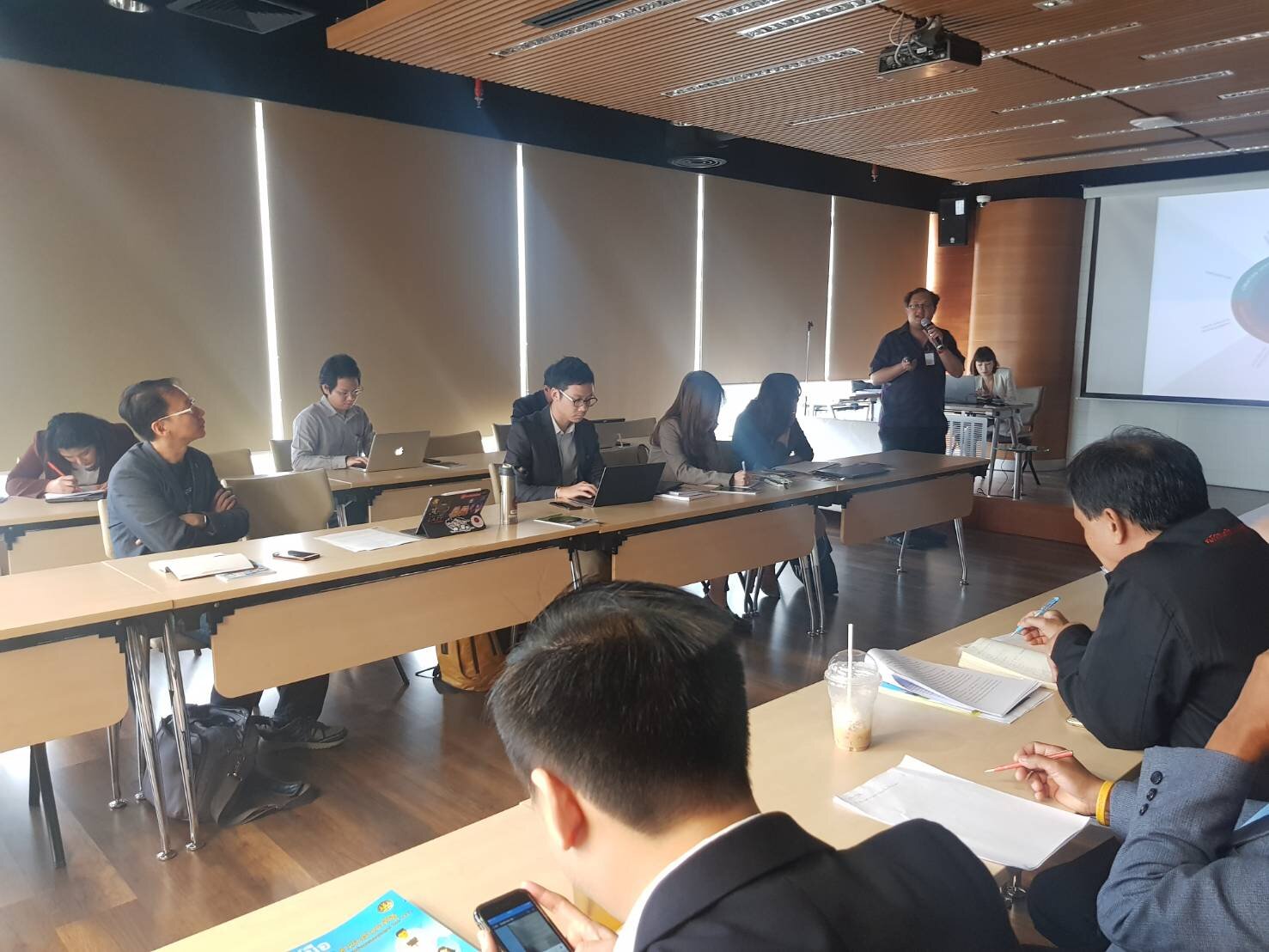
ภาพรวมทางกฎหมายที่เกี่ยวข้องกับ Open Data
นำเสนอโดย ดร.ภูมิ ภูมิรัตน KQ Consulting
กฎหมายที่เกี่ยวข้องโดยตรงกับ Open data ได้แก่ พรบ.คอมพิวเตอร์, พรบ.คุ้มครองข้อมูลส่วนบุคคล, และพรบ.ความมั่นคงปลอดภัยทางไซเบอร์
นอกจากนั้นยังมีกฎหมายทั่วไปที่เกี่ยวข้อง เช่น กฎหมายหมิ่นประมาท, กฎหมายลิขสิทธิ์, พรบ.ข้อมูลข่าวสารภาครัฐ, พรบ.รัฐบาลดิจิตอล (ทำให้รัฐต้องเปิดข้อมูล แต่ไม่มีบทลงโทษหากไม่ปฏิบัติ)
กฎหมายบางฉบับยังใหม่ เพิ่งบังคับใช้ ตีความได้กว้าง หรือยังไม่มีคณะกรรมการตีความการใช้งาน
ข้อกังวลทั่วไปในการตีความกฎหมาย
หลักกฎหมายต้องตัดสินบนข้อเท็จจริงที่เกิดขึ้น ต้องมีคำพิพากษาอ้างอิง ซึ่งเรื่อง Open data ยังไม่มีจุดอ้างอิง ทำให้ผู้ปฏิบัติไม่กล้า และไม่แน่ใจในการปฏิบัติรวมถึงการตีความกฎหมาย / ดร.ปิยะบุตร บุญอร่ามเรือง คณะนิติศาสตร์ ม.ธรรมศาสตร์
ในตัวกฎหมายเอง บางครั้งมีความกำกวม เช่น พรบ.ข้อมูลข่าวสารของราชการ หลักการคือให้ใช้ข้อมูลสาธารณะได้ มีการจำกัดความว่าอะไรคือประโยชน์สาธารณะที่จะได้รับการยกเว้นไม่ถูกคุ้มครอง แต่ก็มีข้อยกเว้น ซึ่งถูกตีความไม่เหมือนกัน ทำให้เกิดปัญหา เช่น องค์กรที่มีข้อมูล เข้าใจว่าตัวเองไม่มีหน้าที่ต้องมอบข้อมูลให้เป็นสาธารณะ ทั้งๆ ที่มีหน้าที่ตามกฎหมาย / อ.ฐิติรัตน์ ทิพย์สัมฤทธิ์กุล คณะนิติศาสตร์ ม.ธรรมศาสตร์
คำพิพากษาของศาล ถูกยกเว้นว่าไม่อยู่ในการคุ้มครองของ พรบ.ข้อมูลส่วนบุคคล

การเปิดเผยข้อมูลเพื่อประโยชน์สาธารณะ มีหลักการอย่างไร มีข้อจำกัดอะไรบ้าง
มีคำถามว่า องค์กรภาคประชาชน เช่นองค์กรต่อต้านคอร์รัปชัน หรือองค์กรเพื่อการศึกษา ต้องการเปิดเผยข้อมูลเพื่อประโยชน์สาธารณะ พรบ.คุ้มครองข้อมูลส่วนบุคคลถือว่าการกระทำลักษณะนี้ได้รับการยกเว้นในฐานะเดียวกับการที่รัฐมีหน้าที่เปิดเผยข้อมูลหรือไม่ -> มีความเห็นว่าไม่น่าใช้ได้ เพราะถ้าอนุญาตก็จะเปิดช่องให้ใครอ้างก็ได้ ควรไปอ้างหลักเรื่อง Legitimate interest หรือผลประโยชน์อันชอบธรรม ซึ่งเป็นความสมดุลระหว่างประโยชน์กับการละเมิดสิทธิ์ / อ.ฐิติรัตน์
หัวใจของการคุ้มครองข้อมูลส่วนบุคคล คือการจัดการกับ “ความเสี่ยง” ในการละเมิดสิทธิ์ ไม่ใช่การห้ามใช้ โดยผู้ที่จะเผยแพร่จะต้องจัดการความเสี่ยงด้วยกลไกและเครื่องมือต่างๆ เช่น การปิดชื่อไม่ให้ระบุตัวตน, การที่จะต้องมีความจำเป็นในการเปิดเผย, และต้องบริหารความเสี่ยง จึงจะสามารถใช้หลัก Legitimate interest ได้ / ดร.ปิยะบุตร
การตัดสินว่าอะไรคือ Legitimate interest ยังเปิดกว้างต่อการตีความ ควรมีการขับเคลื่อนในการร่าง Guideline เพื่อเสนอคณะกรรมการพรบ.ข้อมูลส่วนบุคคล เมื่อมีการตั้งกรรมการชุดนี้ใน 6-8 สัปดาห์ข้างหน้า / ดร.ภูมิ
นอกจากหลัก Legitimate interest แล้ว ยังมีหลักว่าการเปิดเผย ทำเพื่ออะไร ซึ่งต้องไม่ขัดกับหลักที่องค์กรที่รับผิดชอบเปิดเผยตั้งแต่แรก / อ.ฐิติรัตน์
ตัวอย่างปัญหาที่เกิดขึ้นจริง เช่น ปปช. เปิดเผยข้อมูลเพียงเวลาหนึ่ง จะเปิดเผยนอกเหนือเวลาที่ ปปช. เปิดเผยได้หรือไม่ -> มีกฎหมาย ปปช. (มาตรา 36) กำหนดว่าเปิดเผยรายละเอียดตัวรายงานไม่ได้ ให้เป็นความลับของราชการ (เพื่อคุ้มครองพยาน) เปิดเผยได้เฉพาะผลวินิจฉัยเท่านั้น ซึ่งก็คือข้อมูลที่เปิดเผยบนเว็บอยู่แล้วนั่นเอง โดยสรุปคือเปิดเผยได้ แต่ช่วงที่ ปปช. นำข้อมูลออกจากเว็บ เพราะรอให้กรรมการ ปปช. มีมติก่อนว่าเปิดเผยได้แค่ไหนเพื่อให้สอดคล้องกับกฎหมาย โดยขณะนี้ตีความเสร็จสิ้นแล้ว มีข้อสรุปว่าเปิดเผยต่อได้ โดยถึงแม้กฎหมายลูกจะกำหนดให้เปิดเผย 180 วัน ก็เป็นแค่แนวทางการทำงาน ปปช. ซึ่งต้องอยู่ภายใต้กฎหมายใหญ่ ที่กำหนดให้เปิดเผยข้อมูลให้ประชาชนเข้าถึง ส่วนเมื่อได้ข้อมูลไปแล้ว และจะนำไปเปิดเผยต่อ ก็ยังต้องใช้ตามวัตถุประสงค์ และไม่ละเมิดข้อมูลส่วนบุคคล / อ.ฐิติรัตน์
ผู้ทำ Open data ควรเป็นคนอธิบายหลักการว่าเปิดเผยเพื่ออะไร (เช่น ตามเป้าหมายของข้อกฎหมายเดิม) เปิดเผยคำอธิบายนี้ต่อสาธารณะ เพราะปัจจุบันยังไม่มีคำตอบตายตัวว่าทำได้หรือไม่ได้ / ดร.ปิยะบุตร
ถ้าขอข้อมูลราชการที่รัฐมีหน้าที่เปิดเผยแล้วไม่ได้ ให้ไปร้องเรียนคณะกรรมการข้อมูลข่าวสารของทางราชการ
หลักกฎหมายเรื่องข้อมูลส่วนบุคคล
Lawful Basis ของการคุ้มครองข้อมูลส่วนบุคคล ได้แก่: ความยินยอม, การวิจัย, การระงับอันตรายต่อชีวิต ร่างกาย สุขภาพ, สัญญา, ภารกิจสาธารณะ อำนาจรัฐ, ประโยชน์โดยชอบด้วยกฎหมาย (Legitimate interest)
Legitimate interest คือการใช้เท่าที่จำเป็น ให้สมดุลกับความเสี่ยงในการละเมิดสิทธิ์ โดยมีหลัก Expectation, Risk, Safeguard / อ.ฐิติรัตน์ และใช้เมื่อใช้สิทธิ์ข้ออื่นไม่ได้ / ดร.ภูมิ
ให้ระวังข้อ Expectation คือไม่ทำโดยไม่ได้คาดไว้ เช่น ข้อมูลปปช. เราต้องอ้างว่า ปปช. ก็เปิดอยู่แล้ว เป็นที่คาดอยู่แล้วว่าจะเปิด และผู้ใช้ข้อมูลก็มีสิทธิ์ที่จะรู้อยู่แล้ว / ดร.ภูมิ
นอกจากนี้ ในยุโรปยังมีหลัก Right to be forgotten ซึ่งสามารถร้องต่อศาลขอให้สั่งให้เอาออกจากผลการค้นหาออก ไม่ให้เข้าถึงง่ายๆ แต่ไม่ได้ให้ลบออก ในไทยมีกฎหมายใกล้เคียงกัน / ดร.ภูมิ
Case Study เกาหลี
คุณ Wisoot Tantinan ผู้แทน UNDP ประเทศไทย
ตามหลักสากล ความบกพร่องเรื่องธรรมาภิบาลและการทุจริตคอร์รัปชันเป็นปัจจัยเสี่ยงที่ทำให้ต้องมี Open data
ในเกาหลี มีโครงการ Seoul Clean Construction System ซึ่งเป็นตัวอย่างของการเปิดเผยข้อมูลภาครัฐ โดยเมืองโซลต้องการเปิดเผยข้อมูลเรื่องการก่อสร้าง เริ่มด้วยการเปิดหมด แล้วเกิดข้อร้องเรียนให้ปิดบางส่วน ต่อสู้จนเกิดข้อตกลงว่าเปิดอะไรแค่ไหน โครงการนี้มีองค์กรประกอบสำคัญคือ Allimi ระบบเปิดเผยข้อมูลก่อสร้าง ค้นหาได้ตามหัวเรื่องต่างๆ เช่น ข้อมูลพื้นฐานของโครงการ แผนที่, การติดต่อผู้รับเหมา, ภาพการก่อสร้าง, รายงานการก่อสร้างรายวัน รายสัปดาห์ รายเดือน, Web camera แบบ Real-time (แต่ถูกระงับเพราะละเมิดสิทธิ์ส่วนบุคคล), ข้อมูลผู้มีส่วนได้เสีย, ปัญหาหรือบทลงโทษที่เคยได้รับ, ประชาชนสามารถถามคำถามได้ โดยเจ้าหน้าที่รัฐเป็นผู้ตอบ รวมทั้งสามารถขอเยี่ยมชมสถานที่ได้
ใช้หลักการ Protection of information VS Right to know คือการเปิดเผยข้อมูลให้มากที่สุดเท่าที่กฎหมายจะอนุญาตให้ทำได้
ประโยชน์ข้อที่สำคัญที่สุดของการเปิดเผยข้อมูลในกรณีนี้ คือการสร้างความปลอดภัยให้ประชาชน

สรุปแนวทางขับเคลื่อนต่อไป
ควรยืนยันตามหลักการว่าข้อมูลควรเข้าถึงได้ ใช้ต่อได้ เพื่อให้เกิดความรับผิดชอบและนวัตกรรม
ควรทำ Guideline แนวทางการเปิดเผยข้อมูล และอธิบายหลักการเปิดเผยข้อมูลให้ชัดเจนว่าเป็นไปเพื่อประโยชน์อันชอบธรรม (Legitimate Interest)
ควรผลักดันให้หน่วยงานของรัฐเปิดเผยเองในฐานะภารกิจของตนเอง

Open Data Governance & Legality
The development of open data in Thailand is an important step towards a transparent society where data are used for public interest. However, there are many legal considerations relating to open data which must conform with international standards and national laws, especially where the balance between public interest and the protection of personal rights are concerned. This intricate balance should be made clear and practicable.
To facilitate the discussion on this topic, ChangeFusion partnered with Thailand Institute of Justice (TIJ) to organise the Open Data Governance and Legality forum on 13th September 2019. This forum is a part of the Roundtable for Technology and Justice Series under Project j : jX Justice Experiment.
Important discussion points are as follow:
Overview of Open Data
By Sunit Shrestha, ChangeFusion
Open data is a practice of data collection and dissemination that allows everyone to access and make use for public interest. It is closely related with Open government which is a practice of government that opens its data to promote accountability and transparency, improve the quality of state activities, and promote innovative solutions to public issues by using data as a basis, together with data science and digital technology.
Open data allows many datasets to be cross-related with each other, therefore facilitate possible revelation or 'insight' that has never been surfaced by using traditional data analysis approach. For example, cross-relating different sets of data can allow public to detect corruption activities.
In Thailand, there are initiatives to create open data that focuses on public participation. For example, in July 2019 there was a 'datathon' to organise the corruption verdict of the National Anti-Corruption Commission (NACC) and the Supreme Court into a standardised form. The datathon also brought programmers and designers to create prototypes for interpretation and visualisation of the above sets of data. This activity created a community of citizen who share the interest to co-create open data in Thailand.
During the development of open data, there arisen many concerns about legality, especially where the practice can be assured not to encroach upon individual's rights, while maintaining the public interest.
Overview of related legal acts
By Dr Poom Poomrat, KQ Consulting
Thailand's legal acts that are directly related with open data are the Computer Act, Personal Data Protection Act, and Cyber Security Act.
There are also other related general laws, such as Defamation Act, Copyright Act, State Information Act, and Digital Government Act (which dictates that government agencies must publish their data. However there is no penalty for not doing so.)
Some acts are recently issued, are open to interpretations, or lacking the committee to define the practical guideline to conform.
General Concern on Legal Interpretation
The practice of law is based on facts and precedents which are severely lacking in the case of open data. This causes confusion and indecisiveness among practitioners. / Dr Piyabutr Boon-aramruang, Faculty of Law, Chulalongkorn University
Wordings in many legal acts are sometimes indefinite and confusing. For example, in the State Information Act, the definition of public information which is exempted from protection is not inclusive, therefore causing different interpretations which in turn causes practical problem when a state agency does not publish open data because it does not regard such publication as its legal duty. / Thitirat Thipsamritkul, Faculty of Law, Thammasat University
Court verdicts are known to be exempted from protection under the Personal Data Protection Act.
Open data for public interest: principles and limitations
Does the law regard public interest non-government organisations as having the same right to disseminate public information as government agencies do? -> No. If it were, then it can be possible for any other organisations or entities to make such claim that they were to distribute the data for public interest. The main principle for open data should be referred to the Legitimate Interest principle, which describes the balance between public interest and privacy protection. / Thitirat
The core concept of data privacy protection is the management of risks associated with the dissemination of data. Distributors must apply policies and tools to ensure that the privacy is not violated. For example, anonymisation (of names and private information), provision of sound reasons to publicise the data, and the management of possible risks. These are required considerations for using legitimate interest clause. / Dr Piyabutr
The definition of activities that fall under legitimate interest principle is open to interpretation. There should be an effort to develop a guideline for the data privacy protection committee to use as a reference. This committee will hold the first meeting session in the next 6-8 weeks. / Dr Poom
In addition to the legitimate interest principle, there is also another principle that requires that reasons for publication should be compatible with the original reasons for doing so by the data owner. / Thitirat
There is a real and current issue of NACC publishing their verdict summary for corruption cases but put the offline after 180 days of being available. -> There is actually a clause under the NACC Act that requires NACC to make available the data for 180 days. Also the act requires that the published data being the concise version that erased sensitive information due to security concern for witnesses. The reason for NACC putting down information was actually because the NACC committee wanted to wait for then newly issued Personal Data Protection Act to be put into effect, then the committee can decide how to comply with this law. Currently it has been decided that NACC can provide the data for public interest without unnecessary limitation, therefore it should be able to pose no time limitation for data publication for public interest, in accordance with other laws that supersede the NACC Act. / Thitirat
Open data practitioners should take care to give solid explanation on the rationale for making data available. / Dr Piyabutr
There is a question of how to proceed if a government agency denies the request for data access. The immediate step is to put the case on to the State Information Committee.
Key legal principles of personal data protection
Lawful basis: consent, academic use, prevention of harm to lives and health, contract, public duty (of state), and legitimate interest.
The legitimate interest principle has sub-principles of 1) (abiding by the) expectation 2) risk, and 3) safeguard. It should be used when other principles cannot be used.
The expectation sub-principle means that an activity that allows access to data should not be 'unexpected'; the access of such data is already expected because there already are rationale for data provision by related authorities and data owners are already informed of such rationale. / Dr Poom
Additionally, In Europe there is a 'right to be forgotten' principle which honors the request to remove personal information from search results, or make it relatively difficult to access. / Dr Poom
A Korean case study
By Wisoot Tantinan, UNDP Thailand
According to international principle, poor governance and corruption are risk factors that necessitate open data.
In South Korea, there is a project called 'Seoul Clean Construction System' which exemplifies open data practice by government agencies. The Seoul City wanted to make available all data related to construction projects in the city. The extent of available data was negotiated and adjusted until all parties agreed. The platform is called Allimi. It provides general information of projects, maps, contacts, photos of construction sites and activities, construction reports (daily / weekly / monthly), stakeholders information, problems and penalties received, real-time camera of construction sites (was put down later due to concern about privacy). Public can also ask questions regarding projects and making site visit requests. These are answered by responsible city staffs.
The project uses the principle of 'protection of information VS right to know', aiming to disclose as much information as possible within the limitation of the law.
The primary rationale for this project is the safety of the public.
Going forward
Open data practitioners should insist that data be made available, accessible, and reusable. This will being about accountability and innovation.
Practitioners will develop a guideline for open data, with detailed explanation of concerned principles, particularly the legitimate interest principle.
Practitioners should not neglect to advocate for open data that is made available by data owners themselves, i.e. government agencies, who should regard this as their own mission.

Cross-border SE Learning: Disability Employment
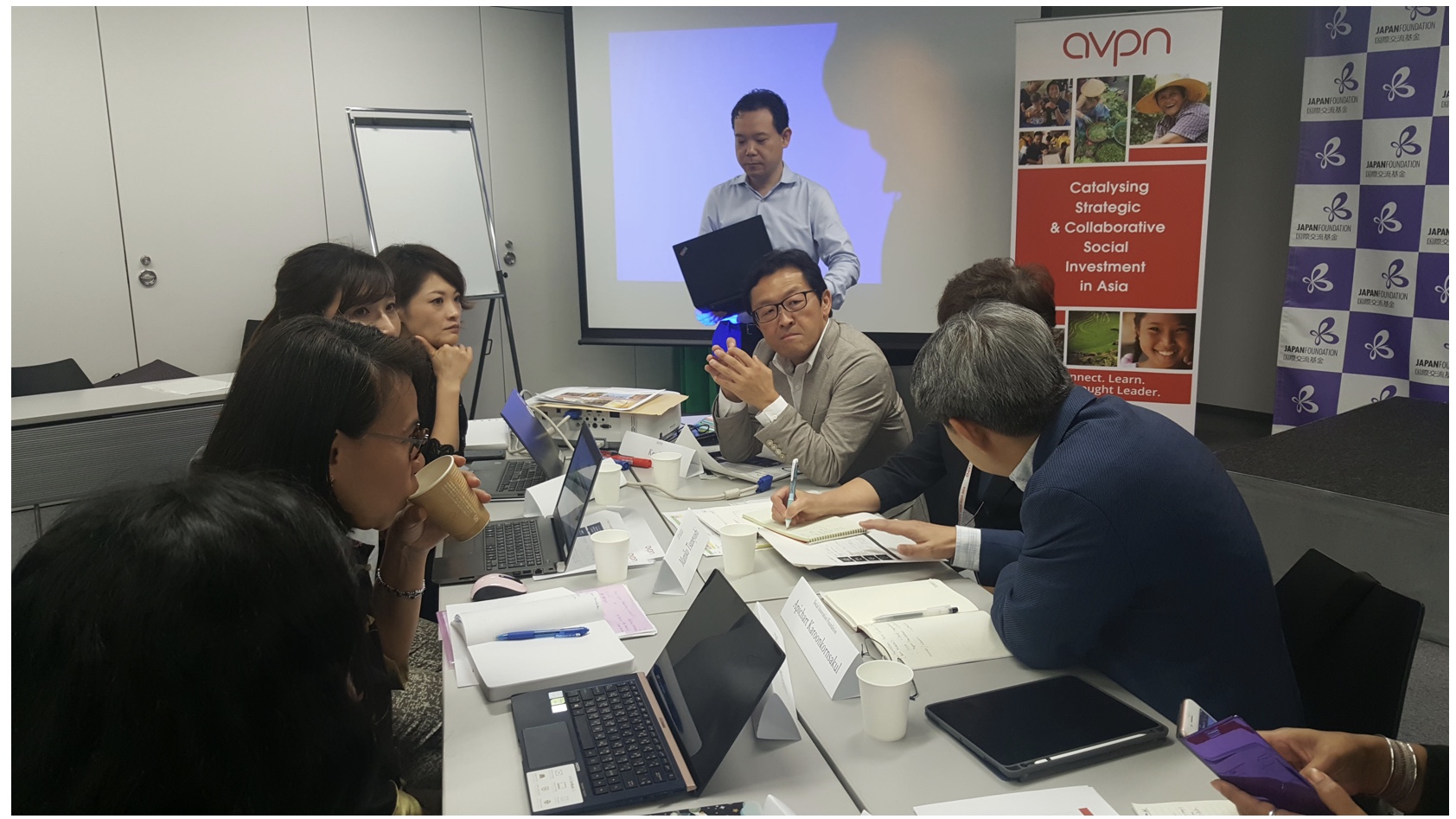
ChangeFusion co-hosted the second SOIL (Social Innovation Link) workshop, it had been successfully held in Tokyo in the first week of July 2019, following the first one that was held in Bangkok in early April, thanks to the generous support of the Japan Foundation.
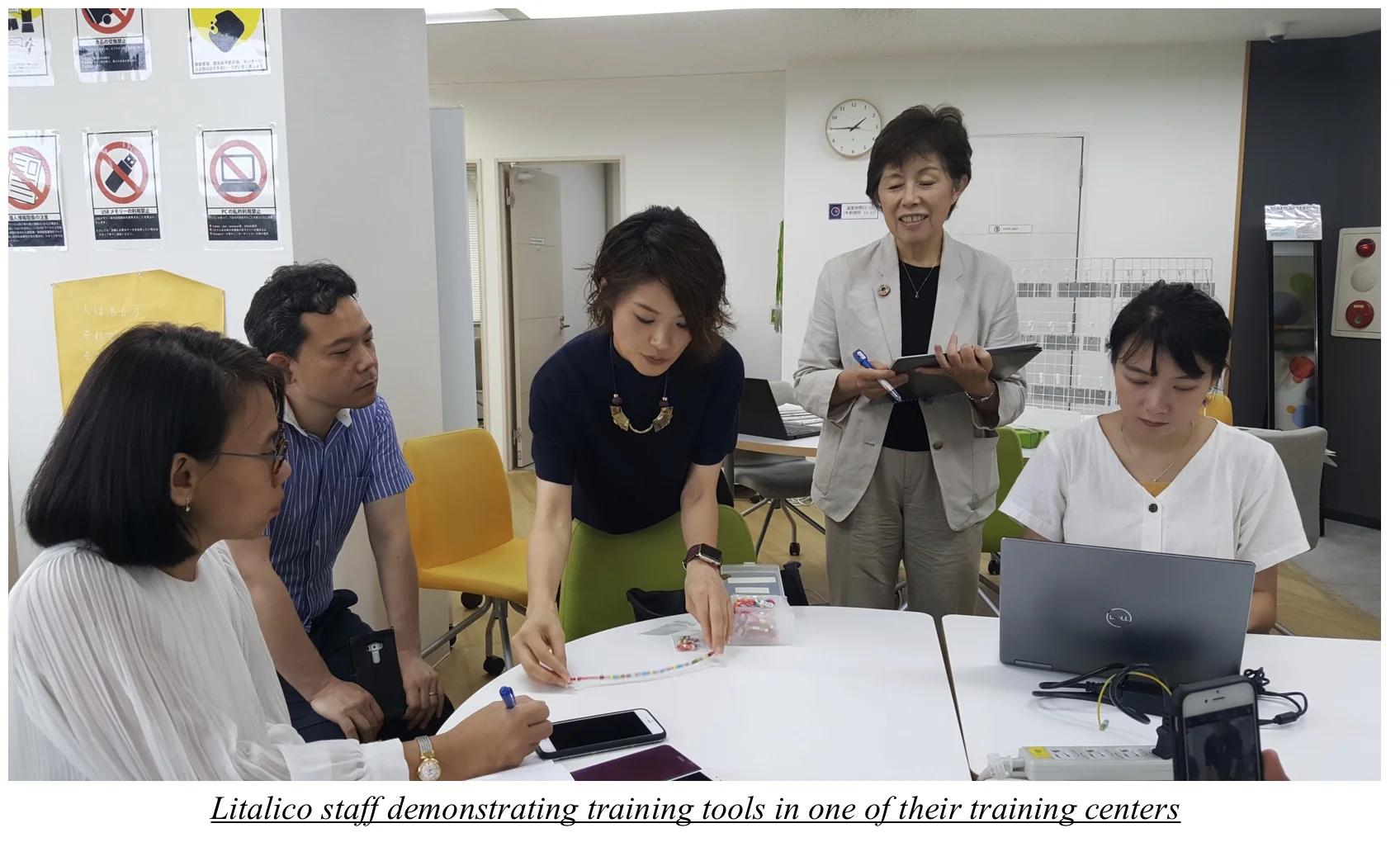
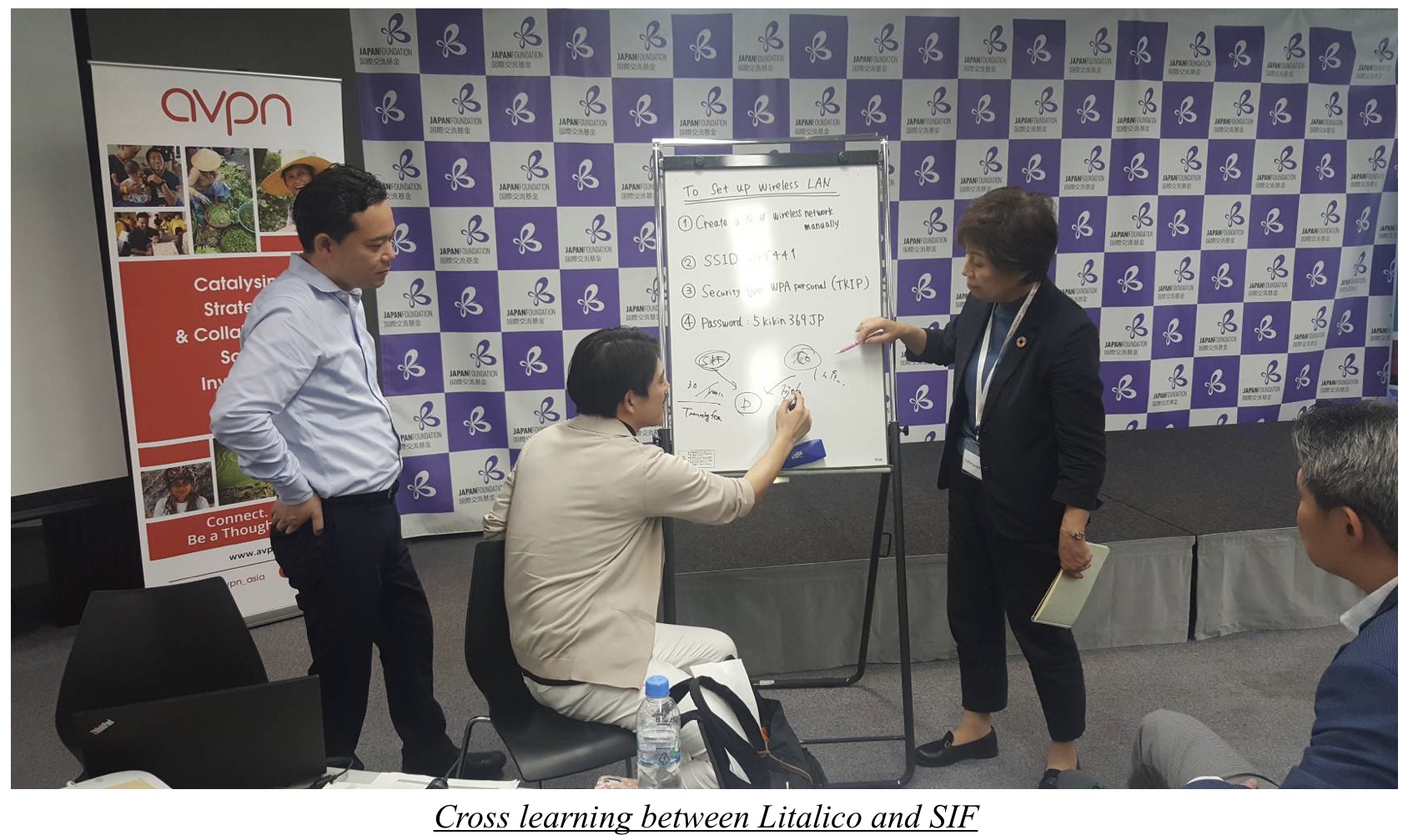
Disability employment was one of the main themes of the workshop, focusing on the exchange in knowledge and collaboration between Social Innovation Foundation (SIF) from Thailand which has put forward innovative ways in hiring persons with disabilities (PWDs) and Litalico from Japan, a company engaged in disabled employment support and had launched IPO on the Tokyo Stock Exchange in 2016.
In Thailand, companies are required to hire 1 PWD for every 100 employees that they have. Those who are unable to fulfill the employment quota would have to pay a penalty. In the past few years, SIF has put together new model of indirect hiring to assist companies in reaching the quota, by hiring PWDs, who may indeed be located far away from the companies, to take up employment at social organizations in their hometown such as local hospitals and schools. It created a win-win-win situation in which the companies hiring the PWDs do not need to pay the penalty, the PWDs obtain stable income and can work close from home, and the local social organizations get additional labour force at low costs.
To date, SIF, together with its partners, have successfully created over 6,000 jobs for PWDs. Yet, the operation has been heavily reliant on external funding. In order to build sustainability for the foundation, SIF has set up a new strategy in developing job training and placement service and promoting direct employment of the disabled. Besides, SIF has already had the plan to set up a co-working space to train PWDs and prepare them for job placement. Hence it has been one of the key agenda of the SOIL workshop for SIF to learn from their counterpart in Japan, Litalico, who have substantial experience in running such services for both the disabled and employers.
In this trip to Tokyo, Litalico had introduced SIF to one of their local partners, Recruit, which is a group of companies that provides HR technology, media and solutions and staffing services. Recruit Office Support, one of their subsidiaries that provide back end office support such as administration work, IT support, etc., currently hires 336 persons with disabilities (PWDs) out of 384 employees. It started from the founder’s intention to open up more employment opportunities for PWDs almost 30 years ago. At the beginning, only some simple printing tasks were assigned to a PWD staff. As time passed by, both the diversity of jobs for the PWDs and the types of disabilities accepted increased.
There are 464 companies in Japan that share the same practice as Recruit by setting up a specialized unit for taking in PWD staff. It stemmed from the employment law that mandates every company with over 50 employees to fulfill a 2.2% PWD employment requirement. Companies that are unable to reach the quota would be publicized. Therefore in order to avoid negative impacts on the corporate or brand image, most companies are highly motivated to fulfill the requirement, which has gradually created some form of competition for PWDs in the job market. As a result, companies are incentivized to upgrade their facilities to attract PWDs, further lowering the threshold for PWDs to employment. The application of universal design has already been a norm for most office space in Japan.
Litalico is a corporation that provides comprehensive support to PWDs and consultation to companies to facilitate PWD employment. Companies like Recruit are their major clients. Key areas of support for the PWDs include recruitment and assessment, training, job placement and follow up. Being in their fourteenth year of operation, Litalico has developed extensive programs, standardized work processes and tools which had enabled them to expand throughout the country. Currently they have 77 bases located in different prefectures and have been helping over thousands of PWDs gain employment every year.

One may wonder what revenue model has enabled Litalico to develop into such a scale. In terms of employment service, government is the main service buyer. All the training costs of the PWDs are covered by the government. In addition, Litalico would be further rewarded by the government if the job retention rate of the PWDs is satisfactory. It highlights one of the most critical differences between Japan and Thailand since government support in Thailand is still limited.
Compared to its counterparts in Japan, SIF’s work in terms of direct employment support is still at a very early stage. Yet, Recruit’s example and Litalico’s experience has in a way proved that SIF is on the right track. The visit to Japan has also provided valuable insights into the development direction of the new co-working space for PWDs training in Thailand.
As a continuation of the workshop, the upcoming plan would be to organize study trips for SIF to learn in-depth the work processes, training and assessment tools of Litalico and their actual application in Thailand’s context.
Special thanks to Ken Ito to make all these possible!